Smartly Brings AI-Powered LinkedIn Ads Into Its Unified Platform: What B2B Teams Need to Know
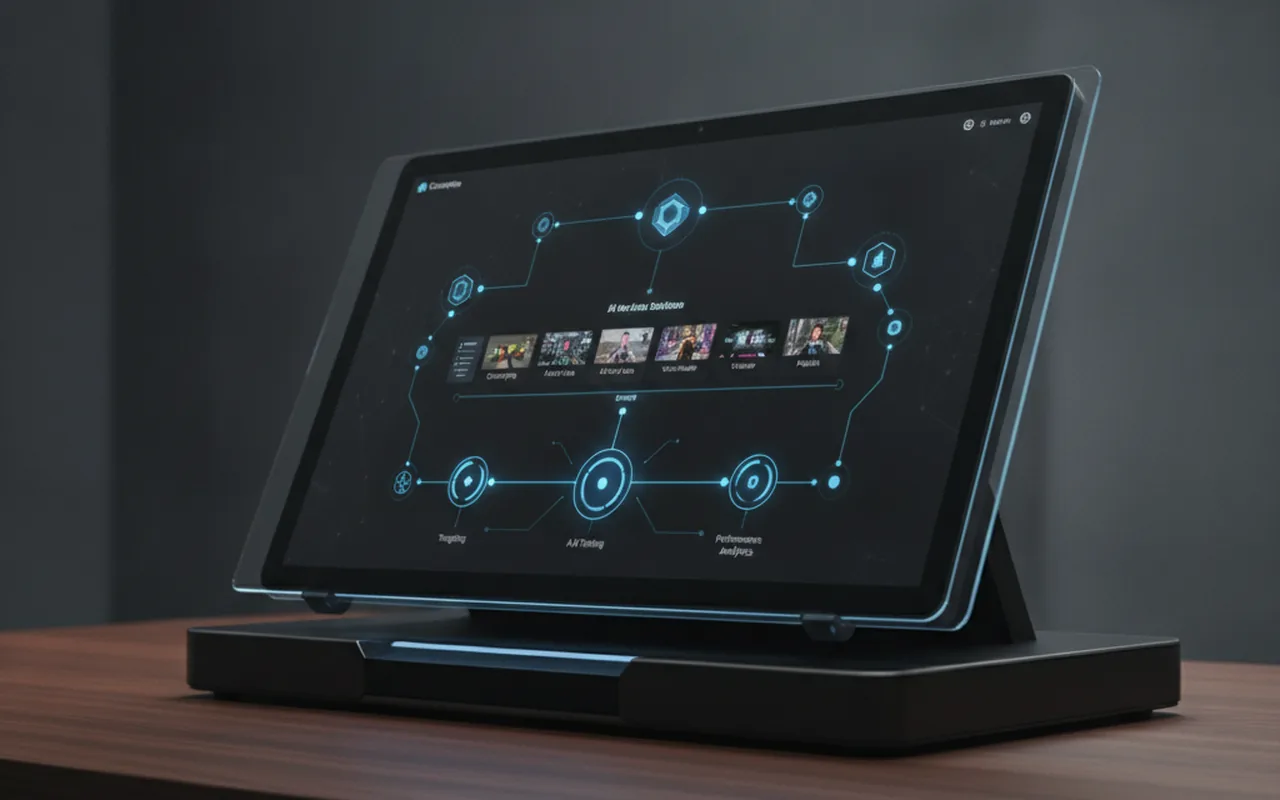
TL;DR: On September 22, 2026, Smartly announced full LinkedIn Ads integration into its unified AI advertising platform. The integration adds AI-powered creative personalization, automated video production at scale, and a performance intelligence loop. Benchmarks cited: 5.5x ROAS and 42 minutes saved per hour of campaign work. B2B teams running multi-stakeholder campaigns now have a single platform to manage creative, targeting, and optimization across LinkedIn without manual variant production.
Smartly — the AI-powered ad tech company managing more than $7 billion in global advertising spend for 800+ brand clients — announced on September 22, 2026 that it had integrated LinkedIn Ads into its unified advertising platform. The move closes a gap that B2B marketing teams have complained about for years: the inability to apply the same AI-driven creative automation they run on Meta and Google to the professional network where their highest-value buyers actually spend time.
The announcement comes at a moment when AI search advertising is reshaping how brands reach buyers across platforms. LinkedIn has been something of a laggard in the AI ad automation space compared to Meta Advantage+ and Google’s Performance Max, but Smartly’s integration brings parity — and then some, given Smartly’s B2B-specific creative intelligence layer.
What Smartly Is and Why LinkedIn Was the Missing Channel
Smartly competes with platforms like Sprinklr, Skai, and Marin Software in the enterprise ad tech stack. Its core proposition is that large advertising teams should not manage creative production, variant testing, and optimization separately for each channel. By running everything through a single platform, teams get a unified performance intelligence loop: what works on one channel informs what the AI tries next on another.
The platform already handled Meta, Google, TikTok, Pinterest, and Snapchat before this announcement. LinkedIn was absent — despite being the dominant B2B demand generation channel for most enterprise and mid-market brands. That absence forced marketing teams to run LinkedIn campaigns manually or through LinkedIn’s own Campaign Manager, disconnected from the AI creative and optimization workflows that Smartly runs for those same brands on other channels.
CEO Laura Desmond described the gap directly: “Our collaboration with LinkedIn extends Smartly’s creative and intelligence capabilities to one of the most important environments for B2B marketers.” That is a measured statement from a platform whose clients have been running split workflows for the last two years while waiting for this integration.
What the Integration Actually Delivers
AI-Powered Creative Personalization for Professional Audiences
The first capability is creative personalization calibrated for professional contexts. LinkedIn audiences segment differently from consumer social: job title, seniority, company size, industry, and tenure are the targeting axes that matter, and they correspond to different buying committee roles. A VP of Engineering and a CFO evaluating the same enterprise software have different objections and different visual preferences for what “credible” looks like in an ad.
Smartly’s AI generates creative variants automatically for each audience segment rather than requiring the marketing team to brief and produce separately per persona. The system adjusts copy angles, imagery styles, and calls to action based on performance signals from similar audiences across the platform’s broader client data.
Video Production at Scale
LinkedIn has been pushing video heavily throughout 2026, and video completion rates on the platform outperform static images for awareness campaigns in B2B. The bottleneck for most in-house teams has not been willingness to run video — it has been the production cost of creating separate video assets per persona and per funnel stage.
Smartly’s integration generates, versions, and iterates video assets automatically. A campaign targeting three buyer personas at three funnel stages previously required nine video assets briefed, produced, and trafficked separately. With Smartly’s LinkedIn integration, that production step is automated: the platform generates the variants, tests them, and replaces underperformers with new iterations based on engagement data. The cited benchmark — 42 minutes saved per hour of campaign work — reflects exactly this kind of creative ops compression.
Performance Intelligence Loop
The third component is continuous optimization informed by a closed performance loop. Rather than running a campaign for two weeks and reviewing results in aggregate, Smartly’s system monitors signal quality in near-real time and adjusts bidding, creative rotation, and audience targeting within defined guardrails. The LinkedIn integration brings this capability to B2B campaigns that previously required weekly manual reviews and Excel pivot tables to surface what was actually performing.
Key Numbers Behind the Announcement
Two data points anchor the business case Smartly made in its announcement:
| Metric | Value | Context |
|---|---|---|
| Return on Ad Spend (ROAS) | 5.5x | Validated benchmark from Smartly clients running LinkedIn through the platform |
| Campaign time savings | 42 min / hour | Reduction in manual creative and optimization work per hour of campaign management |
| Global ad spend managed | $7B+ | Total cross-channel volume through Smartly across all 800+ brand clients |
A 5.5x ROAS figure should be contextualized: LinkedIn B2B campaigns typically run at lower volume than consumer channels, which means attribution is cleaner and ROAS tends to look higher when deals close. What matters more for B2B teams evaluating this integration is the time-to-insight improvement — replacing weekly manual reporting with a live optimization loop is the efficiency argument that holds up regardless of vertical.
Why LinkedIn B2B Advertising Is Different
Consumer ad platforms optimize for a single decision-maker clicking and converting in a short window. B2B buying cycles are the opposite: multiple stakeholders, 3–18 month timelines, and conversion events that happen offline or inside a CRM, not on a pixel-tracked landing page. That structural difference is why B2B teams have historically under-invested in LinkedIn advertising even when they knew their buyers were there — the optimization feedback loop was too slow and too noisy to justify AI-scale spend.
Smartly’s integration addresses this by treating the B2B buying committee as the optimization unit rather than the individual click. Variants are evaluated not just by click-through rate but by downstream signals — LinkedIn’s own conversion API data, CRM-linked attribution, and engagement depth metrics like video completion and lead form fill rate — giving the AI a richer signal set to work with than traditional click-focused optimization.
The emergence of agentic AI tools in marketing operations generally is creating a new standard for what “automated” means: not just scheduled posts or pre-built templates, but systems that generate, test, and iterate without human intervention between cycles. Smartly’s LinkedIn integration fits that pattern at the ad ops layer.
What This Means for B2B Ad Teams
For marketing teams currently managing LinkedIn through Campaign Manager and a separate platform for Meta and Google, this announcement changes the calculus on platform consolidation. The historic argument against consolidating on a unified ad platform was that LinkedIn-specific optimization required LinkedIn-specific expertise and manual oversight. Smartly’s integration removes that constraint.
The practical decision tree looks like this:
- If you spend $50K+ per month on LinkedIn: the creative ops savings alone justify evaluating Smartly. At $50K/month, recapturing 42 minutes per hour of campaign management across a two-person team is more than 60 hours/month of labor redirected to strategy.
- If you’re running LinkedIn manually today: evaluate whether your current ROAS baseline can be improved by AI-driven creative iteration. The 5.5x benchmark is a ceiling to compare against, not a guaranteed floor.
- If your LinkedIn spend is below $20K/month: Smartly’s pricing will likely not offset the savings at that volume. LinkedIn Campaign Manager with manually-tested creative variants is still the rational choice below that threshold.
One variable that does not change regardless of platform: the quality of the web experience LinkedIn traffic lands on. AI-powered creative can drive more qualified clicks, but the conversion happens on your site. Teams investing in LinkedIn ad automation while running traffic to under-optimized landing pages will see ROAS gains capped by page performance. That is a meaningful constraint for companies still running legacy web infrastructure — working with a web development team to build proper conversion-focused landing pages before scaling LinkedIn spend is the sequence that produces compounding returns. Ad performance and site performance are not independent variables in B2B conversion funnels.
If you are already doing the work of improving those landing pages, pairing that investment with structured conversion rate optimization methodology will close the loop between LinkedIn traffic quality and the conversion events your CRM actually captures.
What to Watch Next
Smartly has not disclosed pricing changes or plan structures for the LinkedIn integration as of the announcement date. Given that $7B+ in global ad spend flows through the platform already, LinkedIn access is likely to be tier-gated or volume-based rather than a flat add-on. Marketers should request direct pricing and audit their current LinkedIn spend volume before building integration timelines.
LinkedIn’s own CTV and video product roadmap is evolving independently of this announcement, and Smartly’s integration will need to track LinkedIn API updates as the platform adds new video formats and bidding objectives. Watch for Smartly’s documentation on Connected TV LinkedIn inventory access, which the company has not confirmed as in-scope for the initial integration.
FAQ: Smartly LinkedIn Ads Integration 2026
What did Smartly integrate with LinkedIn?
Smartly added full LinkedIn Ads support to its unified AI advertising platform. The integration announced on September 22, 2026 covers AI-powered creative personalization for professional audiences, automated video production and versioning at scale, and a performance intelligence loop that continuously optimizes campaign variables based on engagement data.
What ROAS benchmarks did Smartly report for LinkedIn campaigns?
Smartly cited a 5.5x return on ad spend and 42 minutes saved per hour of campaign work as validated benchmarks from brands running LinkedIn campaigns through its platform. These figures come from Smartly’s own customer data disclosed alongside the September 22, 2026 announcement. Benchmarks should be treated as directional; actual results vary by industry, deal size, and creative quality.
How does Smartly’s LinkedIn integration handle B2B video creative?
The integration generates, versions, and iterates video assets automatically, scaling production across multiple professional audience segments. Rather than producing one video and testing two versions, teams can generate persona-specific creative variants for each stage of the B2B buying journey without manual editing per variant. Underperforming variants are replaced with new iterations based on live engagement data.
Who should evaluate Smartly’s LinkedIn integration?
B2B marketing teams spending $50K or more per month on LinkedIn advertising are the most likely candidates to see measurable ROI from the integration. Teams below that threshold may find LinkedIn’s own Campaign Manager and manual variant testing more cost-effective. Companies already running Smartly for Meta or Google campaigns will benefit immediately from the unified cross-channel optimization data. See the full announcement on MarTech Series for official capability details.