MVP vs Prototype vs PoC: What's the Difference in 2026?
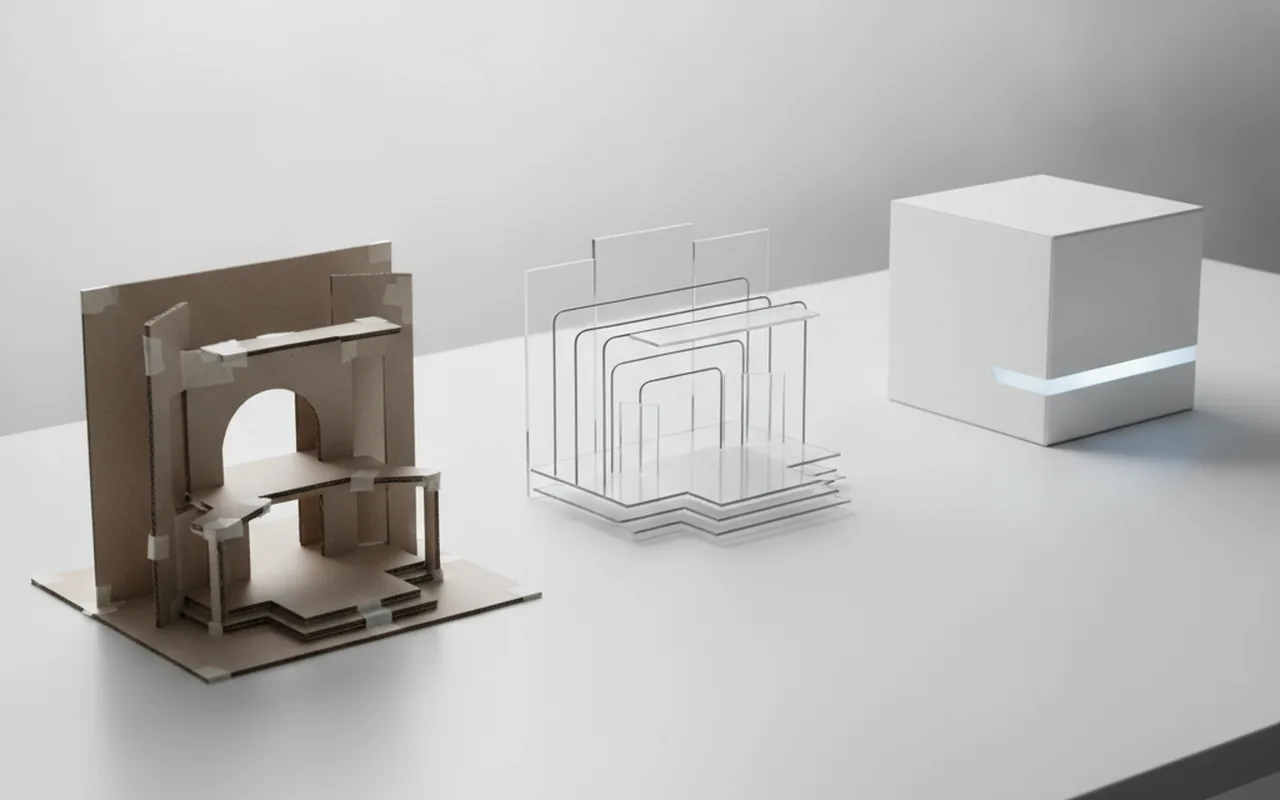
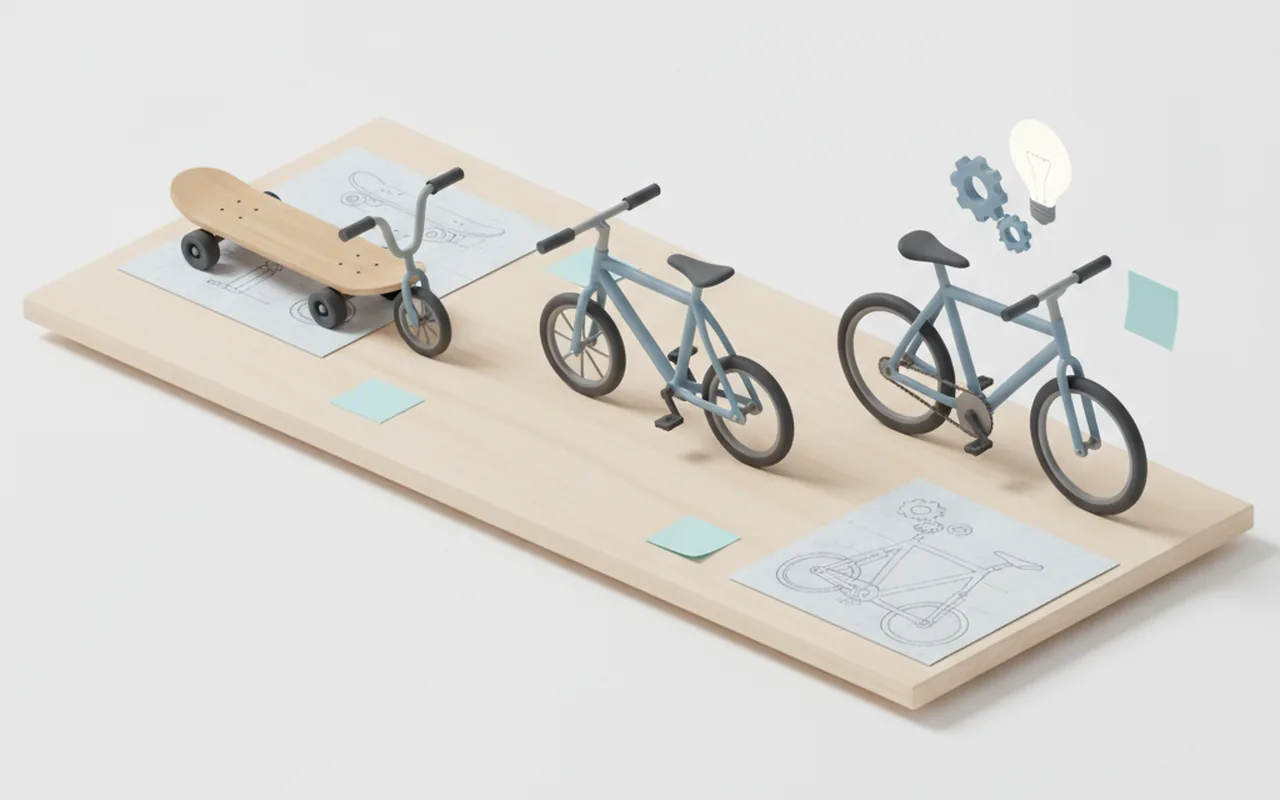
TL;DR: A proof of concept (PoC) answers one internal question — "can this even be built?" — and nobody outside the team ever sees it. A prototype tests look, feel, and flow with real users, but runs on fake or partial data. An MVP is a real, shippable product with a minimal but complete feature set that paying or signed-up users actually rely on. Most ideas move PoC → prototype → MVP in that order, though low-risk or well-understood products can skip straight to MVP — more on when that's safe below.
What Is a Proof of Concept (PoC)?
A proof of concept is a small, often throwaway piece of engineering built to answer a single yes-or-no question: is this technically possible, within this stack, at roughly this scale? It's the cheapest, fastest way to de-risk an idea before committing real budget to it.
What a PoC proves (and what it doesn't)
A PoC proves technical feasibility — that an API returns data fast enough, that an algorithm produces accurate results, that two systems can actually talk to each other. It does not prove that users want the product, that the UX works, or that the business model holds up. Those are different questions, answered at later stages.
Who sees a PoC (internal only — not customers)
A PoC is built for an internal audience: engineers, technical leads, and sometimes investors who need reassurance the core mechanism works. It's rarely polished, rarely has a real interface, and is almost never shown to actual end users — showing an unstable PoC to customers risks damaging trust in the product before it exists.
What Is a Prototype?
A prototype is a working model of the product's experience — what it looks like and how it behaves — built to test usability and flow before anyone writes production code. Where a PoC asks "can we build it," a prototype asks "does it make sense to the person using it?"
Types of prototypes (low-fidelity vs high-fidelity)
Low-fidelity prototypes are sketches, wireframes, or clickable mockups in tools like Figma — fast to produce, cheap to throw away, and ideal for testing structure and flow early. High-fidelity prototypes look and feel close to the finished product, with real visual design and interaction detail, and are better suited to late-stage usability testing just before development starts.
What a prototype tests (UX/flow, not infrastructure)
A prototype has no real backend, no database, and no production infrastructure behind it — it simulates behavior, it doesn't deliver it. That's intentional: the goal is to learn whether the navigation, layout, and core flow make sense before anyone invests in building the plumbing underneath.
What Is an MVP (Minimum Viable Product)?
A minimum viable product is the smallest version of your product that real users can actually use, and that generates real signal about whether the product should keep existing. Unlike a PoC or prototype, an MVP runs on production infrastructure, handles real user accounts and real data, and is something you can honestly put in front of paying customers.
Why "minimum" doesn't mean "half-built"
The most common MVP mistake is treating "minimum" as an excuse to ship something broken or incomplete. A good MVP is minimal in scope — it does fewer things — but everything it does, it does completely. A checkout flow that handles three payment methods badly is worse than one that handles one payment method well.
What a real MVP includes
In practice, a credible MVP almost always needs: working authentication, two or three core user flows that deliver the actual value proposition end to end, a functioning payment or signup path if the business model requires one, and a basic admin view so the team can see what's happening. This is roughly the scope teams work through when they partner with an MVP development team rather than trying to scope it alone — getting that minimum feature set right the first time avoids an expensive second rebuild.
PoC vs Prototype vs MVP: Side-by-Side Comparison
Here's how the three stages compare across the factors that actually matter when you're deciding what to build next.
| Factor | Proof of Concept | Prototype | MVP |
|---|---|---|---|
| Purpose | Prove technical feasibility | Test UX, flow, and design | Validate the product with real users |
| Audience | Internal team only | Internal team + select test users | Real customers / early adopters |
| Built for | A single technical question | Visual and interaction feedback | Market and product-market-fit signal |
| Typical cost range | $1,000–$10,000 | $2,000–$15,000 | $15,000–$80,000+ |
| Typical timeline | Days to 2 weeks | 1–3 weeks | 6–16 weeks |
| What happens after | Feeds into a prototype or is discarded | Feeds into MVP development scope | Iterates based on real usage data |
Can You Skip a Stage? (When PoC or Prototype Isn't Necessary)
Not every idea needs all three stages, and forcing a full PoC-to-prototype-to-MVP sequence onto a simple, low-risk product just burns time and budget.
When to skip straight to MVP
Skipping ahead makes sense when the technical approach is well-understood (you're not doing anything novel under the hood), the UX pattern is familiar (a standard CRUD app, a standard marketplace flow), and the team has built something similar before. In those cases, a PoC or prototype would mostly confirm what everyone already knows.
When skipping a stage is risky
Skipping stages is risky whenever there's real technical uncertainty — a novel integration, an unproven algorithm, a hardware dependency — or whenever the interaction model is unfamiliar to your target users. According to the Y Combinator Startup Library, early-stage teams that skip validation steps tend to discover product-market problems only after they've already spent their MVP budget, which is the most expensive place to learn them.
How to Know Which One You Need Right Now
Run through these questions in order — the first "yes" tells you where to start:
- Is there a real open technical question? If you genuinely don't know whether something can be built the way you're imagining it, start with a PoC.
- Is the UX or user flow unproven? If the technical approach is settled but you're unsure how users will navigate the product, build a prototype and test it.
- Do you already have validated UX and a de-risked technical approach? If yes, go straight to an MVP.
- Do you need real usage data, not opinions? Only a live MVP with real users produces that — no amount of prototype testing substitutes for it.
- Is your runway short? If budget is tight, spend it on the stage that removes the biggest unknown first, not the stage that feels most exciting to build.
Common Mistakes at Each Stage
Each stage has its own, very predictable failure mode:
- PoC mistakes: polishing it like a product, showing it to customers, or treating a successful PoC as proof the whole product will work — it only proves one narrow technical question.
- Prototype mistakes: wiring up real backend logic "just to make the demo feel real," which defeats the speed and cheapness that make prototyping valuable in the first place.
- MVP mistakes: scoping in too many features "to be competitive," which delays launch and dilutes the signal you're trying to get from real users. Nielsen Norman Group's guidance on low-fidelity prototyping makes a related point: the cheaper and rougher the early-stage artifact, the more honest the feedback you get, because users focus on substance instead of polish.
How Much Does Each Stage Cost?
As the comparison table above shows, cost climbs sharply as you move from PoC to prototype to MVP — mostly because an MVP is the first stage that requires production-grade infrastructure, security, and real data handling rather than a simulation. For a full cost breakdown by feature, platform, and team structure, see our guide to MVP development cost.
From Prototype to MVP: What Changes When You're Ready to Build
The jump from prototype to MVP is the most expensive transition in the sequence, because it's where simulated behavior becomes real software. A prototype's clickable mockup becomes an actual database schema; its fake login screen becomes real authentication; its placeholder "Buy now" button becomes a real payment integration. This is also where scope discipline matters most — it's tempting to let an MVP grow into the full product vision instead of staying minimal.
If your prototype testing went well and you're ready to move into real development, our step-by-step guide to building an MVP walks through the process in detail. Many founders choose to bring in an outside team for this stage specifically because it's where technical debt gets baked in early if it's rushed — getting the architecture right the first time is cheaper than fixing it after launch.
FAQ
Is a PoC the same as an MVP?
No. A PoC proves a narrow technical question for an internal audience and is often thrown away. An MVP is a real, shippable product that real users interact with to validate the business, not just the technology.
How long does it take to go from PoC to MVP?
It varies widely, but a typical path runs 1–2 weeks for a PoC, 1–3 weeks for a prototype, and 6–16 weeks for the MVP build itself — so roughly 2 to 5 months end to end, depending on complexity and team size.
Do I need a prototype before an MVP?
Not always. If the UX pattern is familiar and well-understood, you can move straight to MVP. A prototype is most valuable when the interaction model is new or the team is genuinely unsure how users will respond to the flow.
What's the difference between a prototype and a wireframe?
A wireframe is a static, low-detail layout sketch — it shows structure but isn't interactive. A prototype is typically clickable or interactive, simulating how a user would actually move through the product even though nothing behind it is real.
Can a PoC become the MVP later?
Rarely, and it's not recommended. A PoC is usually built fast and without production standards for security, scalability, or data handling, so reusing its code directly in an MVP tends to introduce technical debt. It's safer to treat the PoC as a learning exercise and build the MVP cleanly.
How much does a PoC cost compared to an MVP?
A PoC is typically the cheapest stage, often $1,000–$10,000, since it only needs to answer one technical question. An MVP, which requires production infrastructure and a complete minimal feature set, usually runs $15,000–$80,000 or more depending on scope.
Who builds PoCs, prototypes, and MVPs — the same team?
Often yes, though the skill mix shifts: a PoC leans heavily on engineering, a prototype leans on design and UX research, and an MVP needs the full team — engineering, design, and product — working together on production-grade software.