Zero-Click Searches Hit 68% in 2026: What the New Data Means for SEO
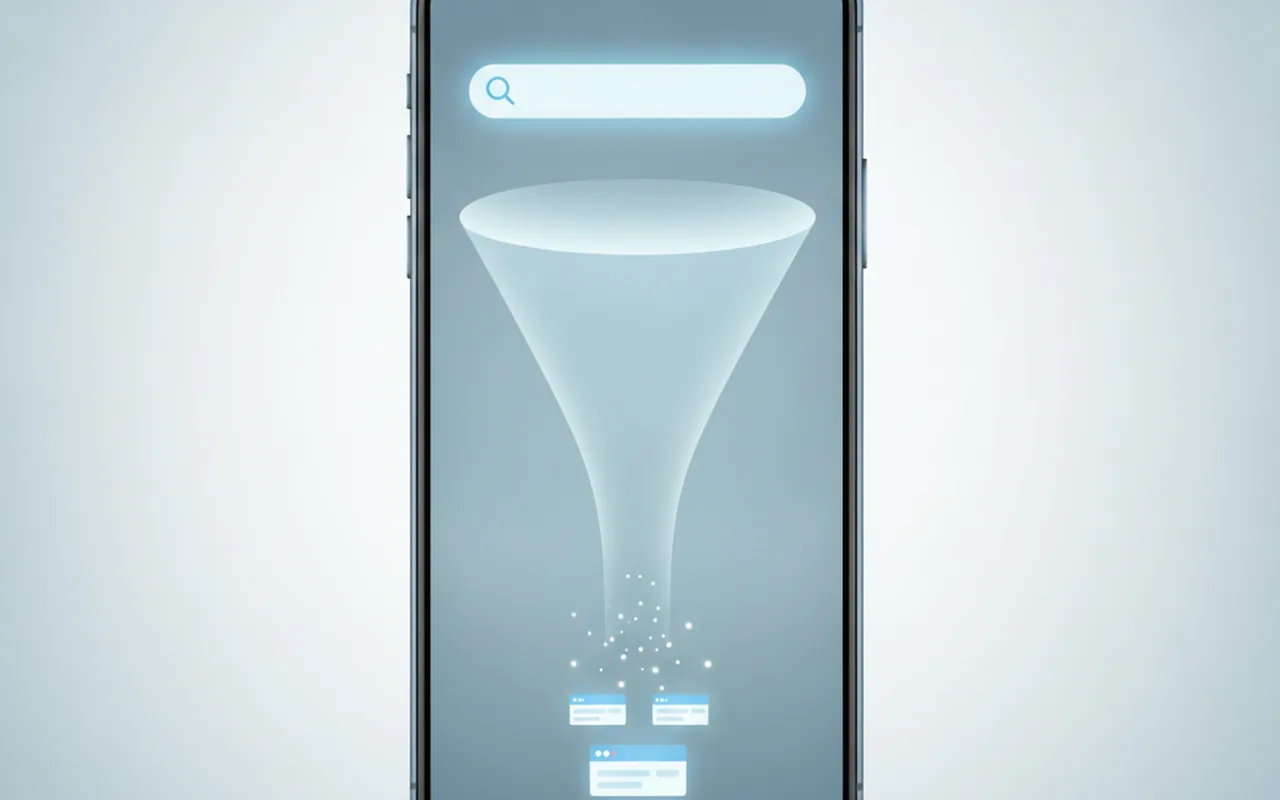
Most people who search Google now never leave Google. New research published in July 2026 by SparkToro, built on Similarweb clickstream data, found that 68.01% of US Google searches in the first four months of 2026 ended without a single click to an external site. That is up from 60.45% in 2024 — a 7.5-point jump in just two years, and roughly a 23-point rise across the past decade.
The number is more than a talking point. It quantifies a shift every marketer has felt: the search engine is increasingly the destination, not the doorway. Below is what the study actually measured, why the figure is climbing so fast, and — most importantly — what you can do so that a smaller slice of clicks does not become a smaller business.
What the SparkToro study measured
The analysis used Similarweb's desktop and mobile web panel data covering US Google searches from January through April 2026. A search was counted as "zero-click" when the session ended without the user clicking through to any external website after their query.
Two details matter for reading the number correctly:
- Clicks to Google's own properties still count as "no click" for publishers. When a search sends someone to Google Maps, YouTube, Google Flights or an AI Overview answer, the user did something — but no outside site earned the visit. The study folds those Google-owned destinations into the zero-click bucket, because from a website owner's perspective the traffic never arrived.
- Follow-up searches within Google are excluded. If a user refines their query and searches again, that is not treated as a terminal zero-click session, so the figure is not inflated by people simply re-searching.
In plain terms: for every 100 Google searches in the US, about 68 now end inside Google's ecosystem, and only around 32 send a visitor to an independent website — whether through an organic result or a paid ad.
The decade-long climb
Zero-click is not new, but its acceleration is. Stitching together SparkToro's historical figures with earlier industry estimates gives a clear trajectory:
| Year | Approx. share of US Google searches ending without a click |
|---|---|
| 2016 | ~45% |
| 2019 | ~49% |
| 2024 | 60.45% |
| 2026 (Jan–Apr) | 68.01% |
The line was already rising before generative AI arrived — featured snippets, knowledge panels, weather boxes and instant answers had been absorbing clicks for years. But the steepest part of the curve lines up with the mainstream rollout of AI Overviews and AI Mode, which now synthesize an answer at the very top of the results page for a large and growing set of informational queries. SparkToro is careful not to pin the entire jump on AI Overviews, since the exact contribution has not been isolated — but the timing is hard to ignore.
Not every query behaves the same
The headline 68% hides a huge amount of variation by intent. The same study broke zero-click rates down by query type, and the spread is where the strategy lives:
| Search intent | Zero-click rate | What it means for you |
|---|---|---|
| Informational | ~74% | Quick facts and definitions are answered on the page — hardest to win a click. |
| Local | ~72% | Map packs and business panels resolve most needs without a website visit. |
| Navigational | ~68% | People searching a brand name often get what they need from the panel. |
| Commercial investigation | ~46% | Comparison and "best X" queries still send real traffic to sites. |
| Transactional | ~31% | Buyers ready to act overwhelmingly still click through. |
Read that table as a map. The closer a query sits to a purchase, the more likely the searcher is to leave Google and visit a site. Thin informational content — the kind that answers a one-line question — is exactly what AI answers now eat. Content that helps someone choose or buy still earns the click, because those decisions need depth, trust and specifics an answer box cannot fully deliver.
Why this is happening now
Three forces are compounding:
1. AI Overviews answer before the results load
For informational queries, Google increasingly leads with a generated summary. If it resolves the question, the ten blue links below it become optional. We covered the mechanics of earning a place inside those answers in our guide to optimizing for AI search.
2. Rich features keep users on the SERP
Weather, sports scores, currency conversions, definitions, business hours and product panels have turned the results page into an app. Many of these needs were never going to produce a deep site visit anyway — but there are far more of them now.
3. Google keeps traffic in its own ecosystem
A meaningful share of "clicks" go to YouTube, Maps, Images and Shopping — all Google-owned. The user leaves the SERP but never reaches an independent publisher.
What to do about it: five moves that still work
Zero-click at 68% does not mean SEO is dead. It means the definition of a "win" is changing from ranking to being the source — and that the clicks that remain are worth more, because they skew toward people ready to act. Here is where to focus.
1. Shift budget toward high-intent, hard-to-answer content
If informational queries are 74% zero-click and transactional queries are only 31%, the math is obvious: prioritise commercial-investigation and transactional pages — comparisons, buying guides, pricing breakdowns, "best tool for X" — where a click still means a real visitor. Keep publishing top-of-funnel content for brand and authority, but stop expecting it to carry your traffic numbers alone.
2. Optimize to be cited, not just ranked
When your answer is the one an AI Overview quotes, you win brand exposure even without the click — and citations correlate with the visits that do happen. Lead each section with a clear, self-contained answer, use descriptive headings, add tables and lists, and back claims with concrete data. Our piece on getting blue links back in Google Search walks through the settings and formats that still surface classic results.
3. Measure the traffic AI actually sends you
Old dashboards under-report AI's impact because they only count clicks. Start tracking referrals from AI surfaces and treat impressions and citations as leading indicators. We break down the setup in what the 2026 AI referral-traffic data means.
4. Diversify beyond Google search entirely
If two-thirds of searches never leave Google, lean into the channels you control: email lists, communities, YouTube, short-form video, and direct brand demand. A searcher who already knows your name is far more likely to click your result — or skip search altogether and come straight to you.
5. Make the clicks you do get convert harder
Fewer, higher-intent visitors raise the stakes on every landing page. Tighten your calls to action, speed up your pages, and make sure the promise in the SERP is delivered instantly on arrival. When traffic is scarce, conversion rate becomes your growth lever.
The bottom line
Sixty-eight percent zero-click is the clearest signal yet that search has become an answer engine first and a referral engine second. The response is not to panic or to abandon SEO — it is to reposition. Chase the queries where clicks still flow, structure your content so AI systems quote you by name, measure the new signals honestly, and build demand in places Google cannot intermediate. The publishers who treat this as a strategy shift rather than a loss will keep growing while others watch their traffic charts slide.