Gemini 3.8 Flash Broke AI Mode Citations — And Then Google Fixed It
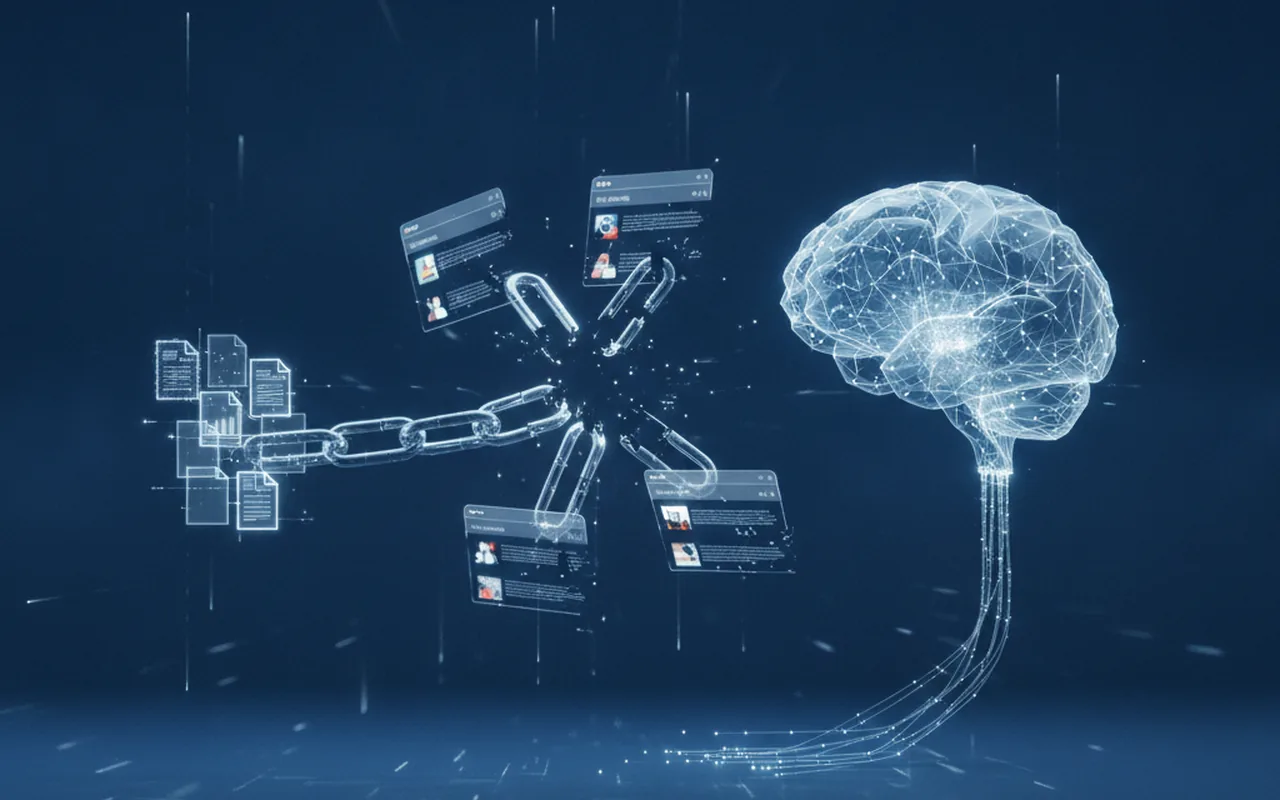
On September 2, 2026, Google rolled out Gemini 3.8 Flash as the engine powering AI Mode for Google AI Pro and Ultra subscribers. Within hours, SEOs and publishers noticed something was wrong: AI Mode had stopped linking to or citing its sources entirely. By September 4, after Google's VP of Product for Search acknowledged the bug publicly, citations began reappearing. The whole incident lasted roughly 48 hours — but its implications extend well beyond two days of lost referral traffic.
Here is a full breakdown of what happened, who was affected, why it matters, and what it reveals about the fragility of AI search as a traffic channel.
What actually happened with Gemini 3.8 Flash
Google upgraded AI Mode's underlying model to Gemini 3.8 Flash on September 2. The model swap is routine infrastructure work — AI Mode has been running on successive Gemini Flash generations since its launch, including the Gemini 3.6 Flash release in July 2026. In this case, though, the new model surfaced a regression: it was synthesizing answers correctly but failing to attach source links to its responses.
SEO researcher Gagan Ghotra documented multiple examples across informational queries: AI Mode answers appeared clean and detailed, but the sourced-from panel — the row of cited publisher links that normally sits beneath or alongside AI answers — was either missing entirely or showed an empty state. The pattern affected primarily top-of-funnel informational queries, the category that drives the most AI Mode traffic to editorial publishers.
Google's VP of Product for Search, Robby Stein, publicly confirmed: "This isn't working as intended, and we'll roll out a fix soon." The fix landed on September 4. Citations returned. But the window was wide enough for publishers running real-time dashboards to record measurable drops in AI-referral sessions.
Who was affected — and who was not
The impact was concentrated. A few important boundaries:
| Surface | Affected? | Notes |
|---|---|---|
| AI Mode (Pro/Ultra) | Yes | Source citations stripped during the window |
| AI Overviews (standard Search) | No | Separate rendering pipeline, unaffected |
| Standard organic results | No | Blue-link results unaffected |
| Gemini app (standalone) | No | Different model version; citations intact |
| Bing Copilot | No | Unrelated infrastructure |
This distinction matters. AI Mode is currently limited to paid AI Pro and Ultra subscribers in the US. Its citation traffic is real but still a fraction of what AI Overviews drives across the broader Search population. Sites that track AI-referral traffic in GA4 would have seen it only in AI Mode sessions — not in their core organic or AI Overviews numbers.
That said, AI Mode is where Google is investing. The subscriber base for AI Pro grew significantly through Q2 2026, and the product roadmap — including the agentic query fan-out mechanic that handles multi-step research tasks — is designed to make AI Mode the primary research surface for subscribers. What happens in AI Mode now previews what happens across all of Search later.
Why a model swap can break citations
For most publishers, the inner mechanics of AI Mode feel like a black box. The citation regression is a useful opportunity to understand the architecture — because the same failure mode can re-emerge.
AI Mode does not just query an index and rank documents. It runs a two-stage process: first, a query fan-out that breaks the user's question into sub-queries and retrieves relevant passages; then, a synthesis pass where the model assembles those passages into a coherent answer and generates a response. Citations — the links to sources — are generated in the synthesis pass, not the retrieval pass.
When Google swapped in Gemini 3.8 Flash, the synthesis pass's citation-generation behaviour changed. The model still synthesized answers from retrieved passages but stopped emitting the source-link tokens in the expected format. In other words, the information was still coming from publishers' pages — the model just was not saying so.
This is a subtle but important failure mode. The retrieval and ranking logic that decides which pages to pull is separate from the synthesis logic that decides which to credit. A regression in citation generation does not mean your content is no longer influencing answers — it means those answers stop attributing influence to you. That is bad for traffic and for brand visibility, but it is a different problem from being de-indexed.
The SEO implications
Three things this incident clarifies for anyone building an AI search strategy:
1. AI citation traffic is a lever Google controls entirely
A single model swap removed a traffic channel from publishers for 48 hours without warning. Unlike a core algorithm update — which shifts ranking signals gradually and allows some adaptation — a model change can be instantaneous and complete. The appropriate response is not panic, but diversification: AI Mode citations should be one traffic source among several, not the primary bet.
2. Your content is influencing answers even when you are not cited
During the citation outage, AI Mode was still retrieving and synthesizing from publisher content. The broken link was between retrieval and attribution, not between retrieval and answering. This is simultaneously reassuring (your content still shapes the answer) and troubling (you get no traffic credit for it). It reinforces why measuring AI search visibility through brand mentions and answer share — not just citation clicks — gives a more complete picture than referral traffic alone.
3. GEO resilience requires structure, not just content
Pages that are easiest for models to retrieve — clearly structured, fact-dense, self-contained — are also the ones most likely to be re-cited when citation behaviour is restored after a bug. During the fix period, Google's model had to re-establish its attribution links. Content structured for machine readability re-emerges faster. This is the same logic behind GEO best practices: content written for AI extraction behaves better across all the edge cases a model swap can introduce.
What to monitor going forward
A one-off bug that is patched in 48 hours does not demand a strategy change. But it does demand better monitoring. A few specifics:
- Segment AI Mode traffic in GA4. If you are not already filtering sessions from
google-extended-ai-modeas a separate channel, you will not notice the next citation regression until it has cost you days of traffic. Set up the segment now while the incident is fresh. - Track answer share, not just click share. Tools that monitor whether your brand appears in AI Mode answers — regardless of whether a link is shown — will catch attribution regressions that click-rate tracking misses entirely.
- Subscribe to Search Roundtable and Search Engine Land alerts. The citation bug was documented within hours by independent researchers. Both outlets tracked it in real time. Staying plugged into these sources is the fastest way to detect the next model-layer incident before your traffic data surfaces it.
- Use structured markup as a citation anchor. Schema markup that clearly identifies your content's author, date, and source does not guarantee a citation — but it gives the synthesis model a clean, parseable signal about attribution intent. It is one factor Google can use when rebuilding citation links after a fix.
What this means for paid AI Pro subscribers
If your site depends on AI Mode referral traffic because you have built an audience of Google AI Pro subscribers — tech-forward, research-oriented, high-engagement readers — the citation bug reveals a concentration risk. That subscriber base is valuable, but it is also the one surface where Google is most actively experimenting with model changes. Newer model versions, faster cadences, more aggressive feature tests: all of this runs on AI Pro and Ultra first.
That is not a reason to stop optimizing for AI Mode. But it is a reason to ensure your site also converts the AI Mode-referred session into a direct relationship — email, RSS, or push notification — so that a future model regression does not also sever your audience connection. The session that Google sends you should lead to a relationship that does not depend on Google sending the next one.
The broader pattern: infrastructure risk in AI search
This is the second significant AI Mode infrastructure incident in three months. In June, a query fan-out routing change temporarily shifted which document types were pulled into synthesis, altering citation patterns for a smaller segment of queries. In September, a model swap broke citation generation at the output stage. Two incidents in one product cycle is enough to treat this as a recurring characteristic of a fast-moving product, not an anomaly.
The research on AI Overviews click loss already established that AI search reduces organic click-through at scale. The citation regression adds a second vector: even the residual citation traffic that AI search provides is subject to infrastructure risk that publishers cannot anticipate or control. Building for AI search citability remains the right call — the channel is real and growing — but doing so with a clear-eyed view of its fragility is essential.
FAQ
What is the Gemini 3.8 Flash citation bug?
On September 2, 2026, Google upgraded AI Mode to Gemini 3.8 Flash and the model stopped attaching source citations to its answers. Google's VP of Search acknowledged the issue; citations returned by September 4 after a fix was deployed.
Did the bug affect AI Overviews in regular Search?
No. AI Overviews run on a separate rendering pipeline and were not affected. The regression was isolated to AI Mode, which is available to Google AI Pro and Ultra subscribers in the US.
Was my content still being used during the outage?
Yes. The retrieval layer that pulls passages from publisher pages was functioning normally. Only the synthesis layer's citation-generation behaviour regressed, so answers were still built from publisher content — they just stopped crediting the sources.
How do I monitor AI Mode citations going forward?
Segment Google AI Mode traffic as its own channel in GA4, track answer share using GEO monitoring tools (not just referral clicks), and follow Search Engine Land and Search Engine Roundtable for real-time model-change reporting.
Should I change my SEO strategy after this incident?
No wholesale pivot is needed. The incident reinforces existing priorities: structure content for machine readability, diversify your traffic sources beyond AI citations, build direct audience relationships from AI-referred sessions, and monitor AI search visibility through brand mentions as well as clicks.