TikTok Agentic Hub: What AI Agents Running Your Ad Ops Actually Means

On June 30, 2026, TikTok quietly shipped one of the most consequential advertising updates of the year. Its new Agentic Hub, announced on the TikTok For Business blog and covered by Social Media Today, turns TikTok Ads Manager into a place where AI agents — not just humans clicking buttons — can build campaigns, diagnose creative, run compliance checks and manage product catalogs.
The framing matters. This is not another "AI-assisted" feature bolted onto a dashboard. It is a directory of Skills — discrete, callable capabilities — wired directly to TikTok's Model Context Protocol (MCP) server, so external AI tools can plug in and drive the ad platform on your behalf. For anyone running paid social, it is the clearest signal yet that ad operations are shifting from manual workflows to agent-supervised ones. Here is what launched, how it works, and what to actually do about it.
What the Agentic Hub is
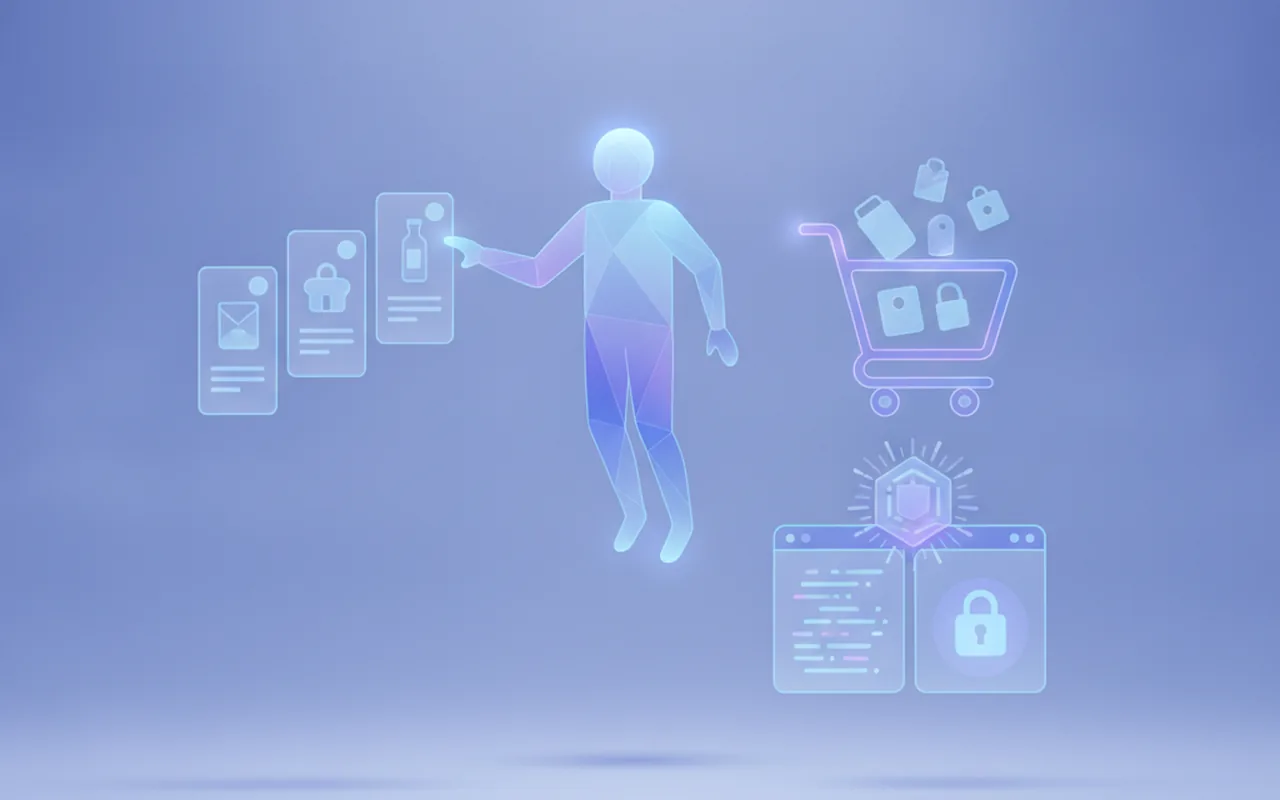
The Agentic Hub is a central location inside TikTok Ads Manager where marketers browse and activate Skills: packaged AI capabilities that perform a specific advertising job. Instead of you opening the campaign builder, choosing objectives, uploading creative and setting targeting by hand, a Skill can carry out the task through an AI agent that talks to TikTok's systems directly.
Two kinds of Skills live in the hub:
- First-party Skills built by TikTok, available immediately — covering core jobs like campaign creation, creative diagnostics, compliance review and catalog management.
- Third-party Skills from partners such as HubSpot, which require connecting the relevant account through an integration flow before the agent can act.
You reach it through the AI tools section of Ads Manager and browse Skills by function category. The design goal, in TikTok's words, is to cut the manual work of everyday marketing tasks — the repetitive setup and checking that eats a media buyer's day.
The MCP layer is the real story
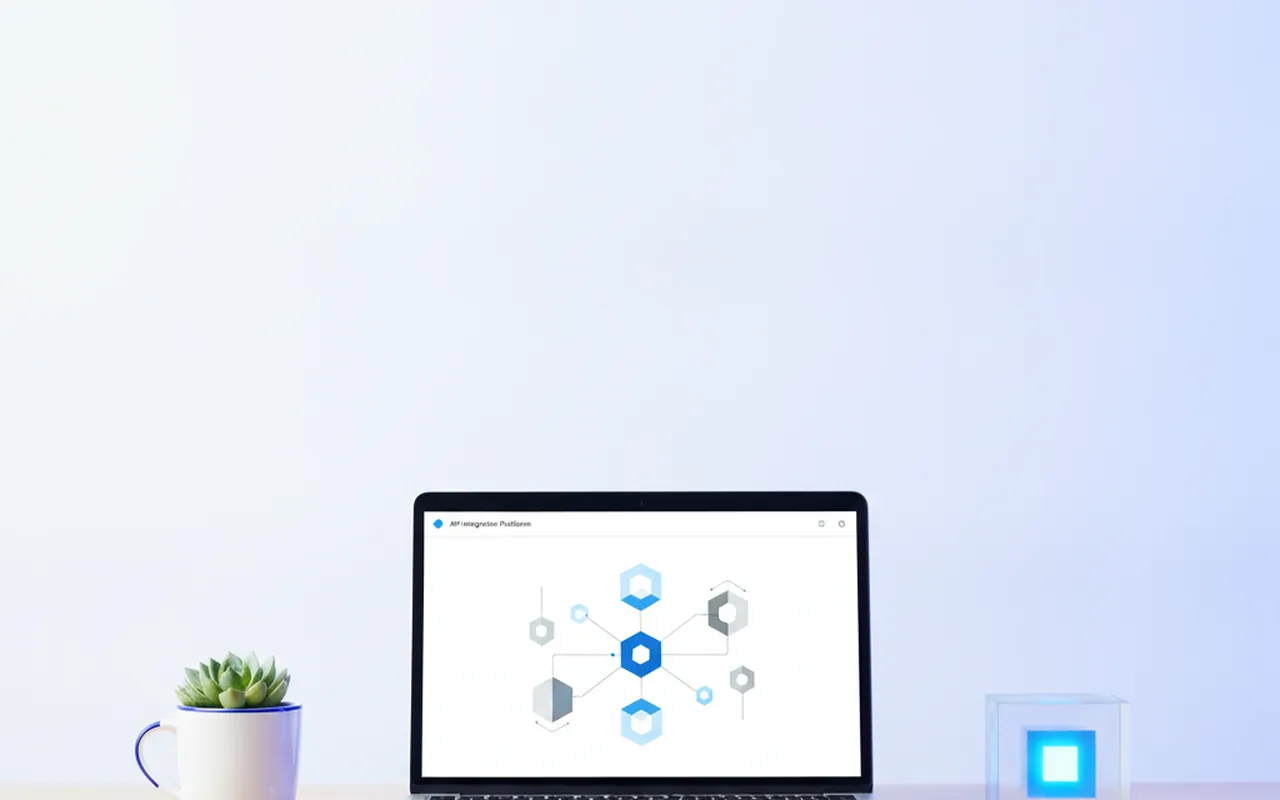
The headline feature isn't the Skills themselves — it's how they connect. The Agentic Hub is integrated with TikTok's Model Context Protocol server. MCP is the emerging open standard that lets AI models call external tools and data sources through a consistent interface. By exposing an MCP server, TikTok is letting outside AI agents — your own assistant, a partner's tool, or a workflow you build — connect to the ad platform and operate it programmatically.
That is a structural change, not a cosmetic one. It means the "interface" to TikTok advertising is no longer only a human staring at a dashboard; it can be an AI agent issuing structured calls. The same protocol-first thinking is spreading fast across martech, which we track in our guide to API and integration platforms — MCP is quickly becoming the connective tissue between AI models and the SaaS tools marketers already use.
What the launch Skills actually do
TikTok's first-party Skills target the jobs that consume the most manual hours in a paid-social workflow. Here is how they map to the work you do today.
| Skill area | What the agent handles | Manual job it replaces |
|---|---|---|
| Campaign creation | Spins up campaigns, ad groups and settings from a brief | Clicking through the campaign builder step by step |
| Creative diagnostics | Reviews assets and flags weak or under-performing creative | Manually auditing ad performance and hooks |
| Compliance checks | Screens ads against policy before they run | Pre-flight policy review and rejection fixes |
| Catalog management | Organizes and updates product feeds for shopping ads | Hand-editing catalogs and product data |
None of these are exotic. That's the point: the hub automates the unglamorous middle of ad ops — the setup, the checking, the housekeeping — while leaving strategy and budget decisions to you.
Why TikTok is doing this now
Three currents converged. First, MCP went from a niche developer standard to the default way AI tools talk to software in barely a year, and every major ad platform is racing to expose one. Second, advertisers are already drowning in creative volume — the number of variants a modern TikTok campaign needs is far past what a small team can hand-build. Third, the competitive pressure is direct: rivals shipped agentic ad tooling in the same window, and TikTok cannot afford to let media buyers standardize their AI workflows on someone else's platform.
There's a defensive angle too. If agents are going to run ad accounts anyway — and they are — a platform is far better off providing the official, governed interface than watching third parties scrape and automate around it. An MCP server with first-party Skills lets TikTok keep agent activity inside guardrails it controls. It mirrors the wider move toward AI systems acting on our behalf that we unpack in our guide to agentic commerce.
What this means for marketers
The Agentic Hub is genuinely useful, but it changes the job rather than eliminating it. Treat the shift deliberately.
1. Move from operator to reviewer
Your value stops being "the person who can navigate Ads Manager fastest" and becomes "the person who briefs the agent well and catches its mistakes." Get comfortable writing tight, unambiguous briefs and reviewing agent output before it goes live — especially budgets, targeting and claims.
2. Keep a human on spend and strategy
Let agents handle setup, diagnostics and catalog hygiene. Do not hand over budget pacing, audience strategy or brand positioning without oversight. An agent optimizes the task you gave it; it does not know your margin math or your quarter's goals.
3. Audit the third-party Skills you connect
Every partner Skill you authorize gets access to your ad account through the integration flow. Connect only tools you trust, review the permissions, and disconnect Skills you stop using. This is account security, not just convenience.
4. Watch how agents change what "good creative" means
When creative diagnostics are automated and near-instant, the bottleneck moves to having enough distinct creative ideas to test. Human insight into hooks, culture and story becomes the scarce input — the machine can grade a hundred variants, but it still needs good ones to grade.
5. Measure the AI-driven traffic it sends
As agentic tools spread across the funnel, attribution gets murkier. Make sure your analytics can separate agent-influenced and AI-referred sessions — the same discipline we cover in tracking AI traffic in GA4.
The bigger picture
The Agentic Hub is a preview of where every ad platform is heading: away from human-operated dashboards and toward AI agents that operate them, governed by an MCP layer the platform controls. TikTok is not the first to ship agentic ad tooling, and it won't be the last, but the combination of a browsable Skills directory and an open MCP server makes the direction unmistakable. The winners in this next phase won't be the marketers who click fastest — they'll be the ones who brief agents precisely, supervise them well, and keep human judgment on the decisions that actually move a business.
Frequently asked questions
When did TikTok's Agentic Hub launch?
TikTok announced the Agentic Hub on June 30, 2026, via its TikTok For Business blog. It is available inside TikTok Ads Manager through the platform's AI tools section, where advertisers can browse and activate Skills by function category.
What is a "Skill" in the Agentic Hub?
A Skill is a packaged AI capability that performs a specific advertising job — such as campaign creation, creative diagnostics, compliance checks or catalog management. First-party Skills from TikTok are available immediately; third-party Skills from partners like HubSpot require connecting the relevant account first.
What does the Model Context Protocol have to do with it?
The Agentic Hub is integrated with TikTok's MCP server. MCP is an open standard that lets AI models call external tools through a consistent interface, so outside AI agents can connect to TikTok's ad platform and operate it programmatically rather than a human doing everything by hand in the dashboard.
Does the Agentic Hub replace media buyers?
No. It automates the repetitive setup, diagnostic and housekeeping tasks in ad operations, but strategy, budget decisions and quality control still need human oversight. The role shifts from operating the dashboard to briefing and supervising the agents that operate it.
Is it safe to connect third-party Skills?
Third-party Skills gain access to your ad account through an integration flow, so treat them like any account connection: authorize only trusted partners, review the permissions you grant, and disconnect Skills you no longer use.