Google Ads Cuts Off Appeals After 6 Months: What Advertisers Need to Do Now
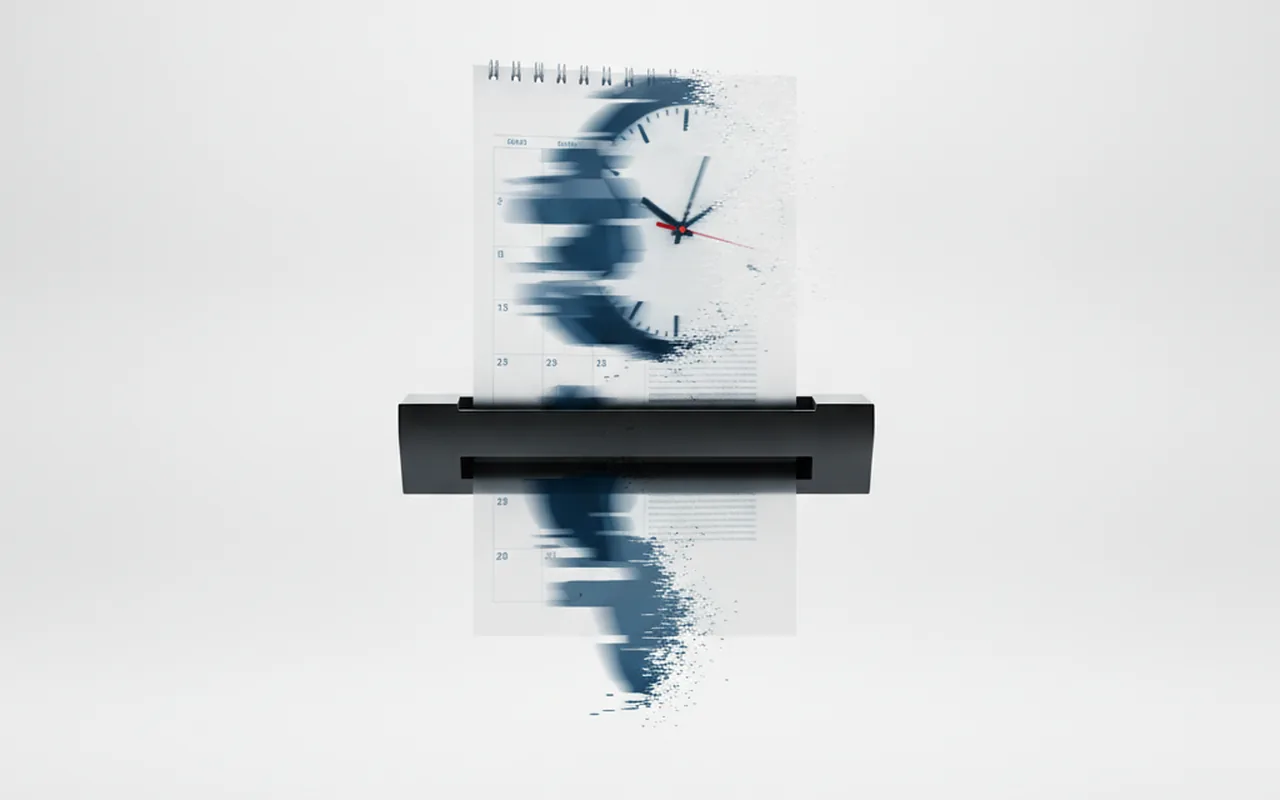
On July 21, 2026, Google Ads quietly put an expiry date on one of the few safety valves advertisers had. Effective that day, you can no longer appeal a policy decision directly from your Google Ads account if the decision was made more than six months ago. The change arrived with no blog post, no video, no forum thread — just a single sentence added to the Advertising Policies Help Center changelog.
The operative language is blunt: "Starting July 21, 2026, the option to appeal a policy decision directly from your Google Ads account will not be available for policy decisions made more than 6 months prior." For accounts sitting on older disapprovals, restrictions or suspensions, that turns a dormant problem into a hard deadline. This is what actually changed, who it hits, and the concrete steps to take before your window closes.
What exactly changed on July 21, 2026?
Until now, a policy decision in Google Ads had no shelf life. If an ad was disapproved in 2023 and you noticed it in 2026, you could still open the account, click Appeal, and ask a reviewer to take another look. That in-account appeal button is what Google just put a clock on.
The new rule adds a rolling six-month window measured from the date of the decision. Once a policy action passes six months, the self-service appeal path inside the account disappears for that item. You are left to "contact Google Ads support" — a route the changelog mentions but does not define, with no documented form, SLA or guarantee that older cases will be reviewed at all.
Three things make this notable beyond the rule itself:
- Zero advance notice. Google typically gives 16 days to two years of lead time on policy changes. This one shipped the same day it was announced — a zero-day change.
- Documentation-only rollout. There was no announcement channel. If you don't monitor the policy changelog, you would never have known.
- No documented fallback. For decisions already older than six months on July 21, the notice provides no exception process, no dedicated escalation form, and no stated remedy.
Which decisions does the 6-month limit cover?
The restriction applies to the in-account appeal path across the full range of policy actions, not just individual ad rejections. Based on the policy language, that includes:
| Decision type | What it looks like in your account |
|---|---|
| Ad and asset disapprovals | Individual ads, images, sitelinks or other assets marked "Disapproved" for a policy reason. |
| Asset restrictions | Ads that still run but are limited in reach — for example, restricted for trademark, healthcare or financial-services rules. |
| Account-level actions | Account suspensions and enforcement actions applied to the whole account rather than a single ad. |
One thing the notice does not clarify is whether other channels — support-mediated escalations, or the dedicated forms Google offers for certain serving-limit and suspension cases — still accept older decisions. The six-month cutoff is written specifically about appeals "directly from your Google Ads account," which leaves a gray area around everything else. Until Google spells that out, treat the in-account button as the only reliable path and assume it expires.
Why is Google doing this?
Google gave no rationale, so any explanation is inference — but the direction of travel is consistent with the rest of its 2026 policy moves. Appeals are expensive to review. An unbounded appeals queue means a reviewer can be pulled back to a two-year-old disapproval at any time, and much of that backlog is low-value: ads for products that no longer exist, campaigns that were paused years ago, or accounts appealing on principle rather than to actually run the ad again. Capping appeals at six months lets Google shrink that queue and, plausibly, lean harder on automated and AI-assisted review for the cases that remain.
It also fits a broader pattern. Over the past year Google has tightened advertiser-facing processes across the board — from stricter enforcement on scaled content to new disclosure rules requiring advertisers to label AI-made ads. The appeals change is the same philosophy applied to remediation: fewer open-ended obligations, more automated gatekeeping, and the burden of timeliness shifted onto the advertiser.
Who gets hurt the most
This is not a universal problem — if you keep a clean account and fix disapprovals as they happen, you may never touch the six-month wall. The advertisers exposed are the ones with unresolved history:
- Regulated verticals. Healthcare, finance, gambling and supplements see the most false-positive disapprovals. These advertisers often carry a standing backlog of contested rejections — exactly the kind that will now expire.
- Large, multi-account operations. Agencies and in-house teams managing dozens of accounts rarely audit every legacy disapproval. Items they meant to get back to are now on a countdown.
- Trademark and brand-safety flags. Misfired trademark disapprovals and brand-restriction actions are common and slow to resolve. A flag from last winter may already be near or past the six-month line.
- Dormant or seasonal accounts. Advertisers who pause for months and reactivate — seasonal retailers, event marketers — may return to find their old disapprovals are no longer appealable.
The blunt reframing: your disapproval backlog is now a depreciating asset. Every unresolved policy decision has a timer on it, and once it runs out, your cheapest path to fixing it is gone.
What to do before your window closes
The change is live, so the useful response is operational, not theoretical. Work through this in order.
1. Audit every open policy decision now
Go to the Policy manager in each Google Ads account and pull a full list of disapproved ads, restricted assets and any account-level flags. For every item, note the date of the decision, not the date you found it — that date is what the six-month clock runs from. Anything within a few weeks of the six-month mark is your priority queue.
2. Appeal the salvageable items immediately
For decisions you genuinely believe are wrong — a false-positive flag, an ad that was fixed but never re-reviewed — file the in-account appeal while the button still exists. Do not wait to "batch" them later; later may be past the cutoff. If an ad was legitimately non-compliant, fix the creative or landing page first, then appeal, because a resubmission with the same violation will just be rejected again.
3. Document the decision dates you can't reach in time
For anything already older than six months, screenshot the disapproval, the reason, and the decision date before you contact support. You will need that record to make a case through the undocumented "contact support" channel, and having it ready is the difference between a reviewable escalation and a dead end.
4. Build a same-week appeal habit
The durable fix is process, not cleanup. Assign someone to check Policy manager weekly and appeal or fix new disapprovals within days, not months. Under the old rules, procrastination cost you nothing; under the new rules, it can permanently forfeit an ad's reach. Advertisers already worried about rising Google Ads costs can least afford to lose salvageable inventory to an expired appeal.
The bigger shift for advertisers
Taken alone, a six-month appeal window is a minor administrative tweak. Taken together with how it shipped — no notice, no announcement, a single changelog line — it is a reminder that the terms of running paid search can change under your feet on any given day. The advertisers who stay protected are the ones who treat policy hygiene as a standing operational task: monitor the changelog, keep the account clean, and resolve disapprovals while they are still fresh. If managing that discipline across accounts is more than your team can absorb, it is one of the clearer arguments for outsourcing to a specialist — our breakdown of when to use a white-label PPC agency weighs that trade-off. Either way, the era of the open-ended appeal is over, and the safest assumption now is that every policy decision has a clock on it.
Frequently asked questions
When did the Google Ads 6-month appeal limit take effect?
July 21, 2026. From that date, you cannot appeal a policy decision directly from your Google Ads account if the decision was made more than six months earlier.
Can I still appeal an old disapproval another way?
Google's notice says to "contact Google Ads support" for decisions older than six months, but it does not document a specific form, timeline or guarantee that older cases will be reviewed. Treat the in-account appeal as the only reliable path and act before the six-month cutoff.
Does the six-month clock start when I find the disapproval or when it happened?
It runs from the date of the policy decision itself, not the date you discovered it. That is why auditing decision dates in Policy manager is the first thing to do.